Information Technology in Support of Student-Centered
Learning
The idea of
student-centered learning is not a recent idea. In fact, as early as the 20th
century, educational educators such as John Dewey argued for highly active and
individualized pedagogical methods which place the student at the center of the
teaching-learning process.
The Traditional Classroom
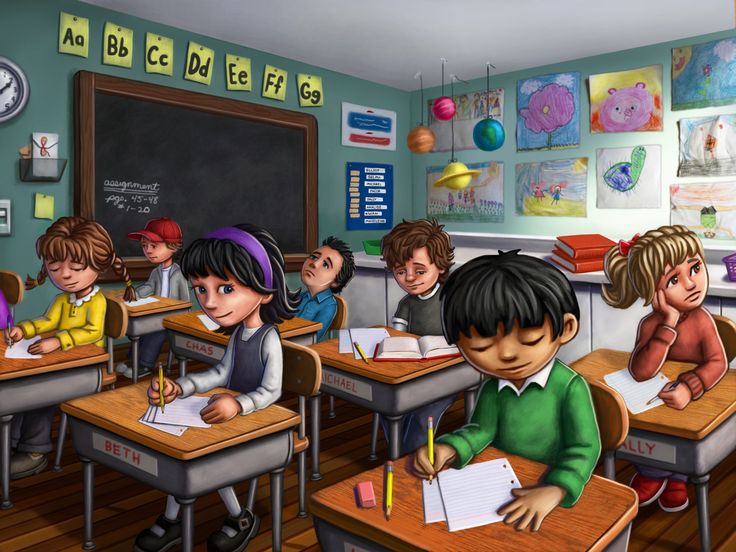
It may be observed that classrooms are usually arranged with
neat columns and rows of student chairs or desks, while the teacher stands in
front of the classroom or sits behind his table. This situation is necessitated
by the need to maintain classroom discipline, also allows the teacher to
control classroom activities through lecture presentation and teacher-led
discussions.
Noticeably, however, after spending so many minutes in
lesson presentation and class management, students can get restless and
fidgety. Often enough, the teacher has to also manage misbehaviour in class as
students start to talk among themselves or simply stare away in lack of
attention.
The SCL Classroom
John Dewey has described traditional
learning as a process in which the teacher pours information to student
learners, much like pouring water from a jug into cups. This is based on the
long accepted belief that the teacher must perform his role of teaching so that
learning can occur. This learning approach is generally known as direct
instruction, and it has worked well for obtaining many kinds of learning
outcomes. The problem with it is that the approach in learning, however, is the
fact that the world’s societies have began to change. It may not be felt
strongly to countries in which on countries who depends mostly their economy to
factory workers. Traditional and direct instruction is very useful in these
countries.
In contrast,
industrialized societies we find knowledge-based economies in which workers
depend on information that can be accessed through information and
communication technologies (ICTs). Desiring to gain effectiveness, efficiency
and economy in administration, schools in these developed economies have also
adopted the support of ICTs. Their students have now become active not passive
learners, demonstrating independence and self-awareness in the learning
process.

Walang komento:
Mag-post ng isang Komento